
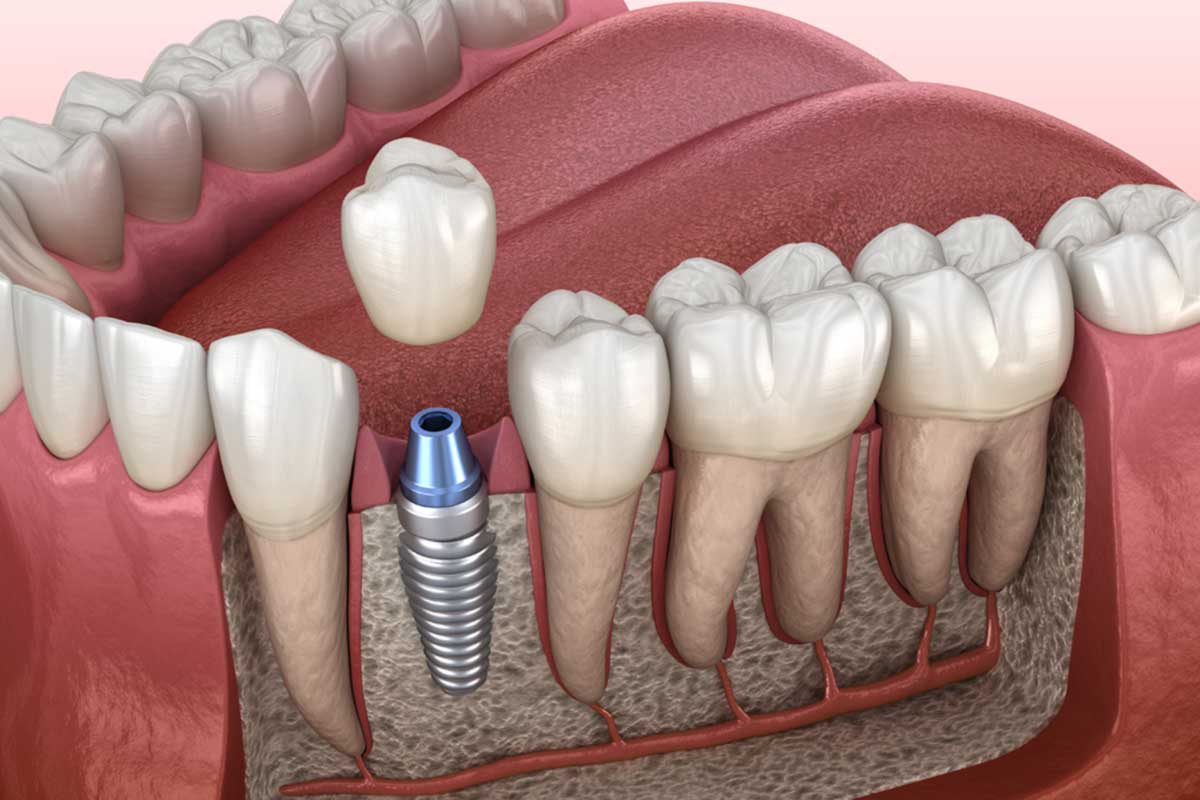
When missing teeth affect your confidence, ability to chew, or overall oral health, you’ll likely explore several treatment options. Among them, London dental implants consistently stand out as the most durable, natural, and long-lasting solution. But what makes implants so widely recommended compared to other tooth replacement options such as dentures or bridges?
This guide explains why dental implants are often considered the gold standard—and why more patients in London, Ontario are choosing them.
1. They Look and Feel Like Natural Teeth
One of the biggest reasons patients prefer dental implants is their natural appearance and function. Implants are anchored securely into the jawbone, allowing them to mimic real tooth roots. This gives them:
A realistic look
A stable, natural bite
No slipping or clicking
A comfortable fit you forget is even there
Compared to traditional dentures, which can move or feel bulky, implants provide unmatched comfort and confidence.
2. They Prevent Bone Loss in the Jaw
When a tooth is missing, the jawbone naturally begins to shrink over time because it no longer receives stimulation from the tooth root. This can lead to:
A sunken facial appearance
Loose or shifting remaining teeth
Difficulty chewing
Dental implants are the only tooth replacement option that prevents bone loss. The titanium post fuses with the jawbone, keeping it strong and healthy long-term.
3. They Are Extremely Long-Lasting
With proper care, dental implants can last decades, and many last a lifetime. Compare this to other options:
Dentures: 5–8 years before needing replacement
Bridges: 10–15 years with maintenance
Although implants require a higher upfront investment, they often become more cost-effective in the long run because they rarely need replacement.
4. They Restore Full Chewing Power
Patients who choose London dental implants often report that they can return to eating:
Steak
Corn on the cob
Apples
Crusty bread
and other foods they previously struggled with.
Traditional dentures usually restore only a portion of natural chewing force, while implants restore nearly 100% of it.
5. They Protect Adjacent Teeth
Dental bridges require the shaving down of healthy teeth to support the restoration. Implants, on the other hand:
Stand independently
Do not rely on adjacent teeth
Protect the surrounding natural tooth structure
This preserves more of your natural smile.
6. They Support a Wide Range of Treatment Options
Whether you’re missing one tooth or an entire arch, dental implants can be tailored to your needs:
Single Tooth Implants
Ideal for replacing one missing tooth with a natural-looking crown.
Multiple Implants
Used for gaps involving two or more missing teeth.
Full Mouth or Full-Arch Implants
A stable alternative to traditional dentures. Options include All-on-4 or All-on-6 systems.
Implant-Supported Dentures
For patients who want the affordability of dentures with the stability of implants.
7. They Improve Confidence and Oral Health
Because implants look, feel, and function naturally, patients often say they experience a noticeable boost in:
Confidence
Social comfort
Oral health
Overall quality of life
They allow you to speak clearly, laugh freely, and smile without worrying about shifting dentures.
8. They Are Highly Successful
Modern dental implant technology and guided surgical techniques result in high success rates—often over 95% when placed by experienced providers.
Many London dental clinics now use:
3D digital imaging
Computer-guided implant placement
High-quality implant systems
These advancements help ensure a precise fit and predictable outcome.
Are London Dental Implants Right for You?
Most healthy adults with missing teeth are excellent candidates for implants. You may be a good fit if you:
Have healthy gums
Have sufficient jawbone (or are open to grafting)
Want a long-term tooth replacement
Prefer a stable, natural-feeling solution
A consultation with a dental implant provider in London, Ontario will help determine the right treatment plan based on your oral health and goals.
Frequently Asked Questions About London Dental Implants
1. How long do dental implants last?
Dental implants can last decades and often a lifetime with proper care. The crown attached to the implant may need replacement after 10–15 years, but the implant itself is designed to be permanent.
2. Are dental implants painful?
Most patients report minimal discomfort during the procedure. Dentists use local anesthesia, and post-treatment soreness is usually mild and manageable with over-the-counter medication.
3. How much do London dental implants cost?
Costs vary depending on the number of implants, bone grafting needs, and the type of restoration. A consultation is necessary for an accurate personalized estimate.
4. Who is a good candidate for dental implants?
Generally, adults with healthy gums, good overall health, and sufficient jawbone are good candidates. Smokers or patients with certain conditions may require additional evaluation.
5. How long does it take to get a dental implant?
The complete process can take several months, depending on healing time and whether bone grafting is required. Same-day options may be available for select cases.
6. Do dental implants require special care?
No special products are required. Brush, floss, and maintain regular dental checkups just like you would with natural teeth.
7. Are implants better than dentures?
For most patients, yes. Implants provide better stability, chewing power, comfort, and jawbone preservation than traditional dentures.
8. Can implants replace multiple missing teeth?
Yes. Multiple implants can support bridges, partial arches, or full-arch restorations such as All-on-4 or All-on-6.
Conclusion
London dental implants are considered the best tooth replacement option because they combine durability, natural aesthetics, comfort, and long-term oral health benefits. They outperform dentures and bridges in nearly every category, making them the top choice for patients seeking a permanent solution.