
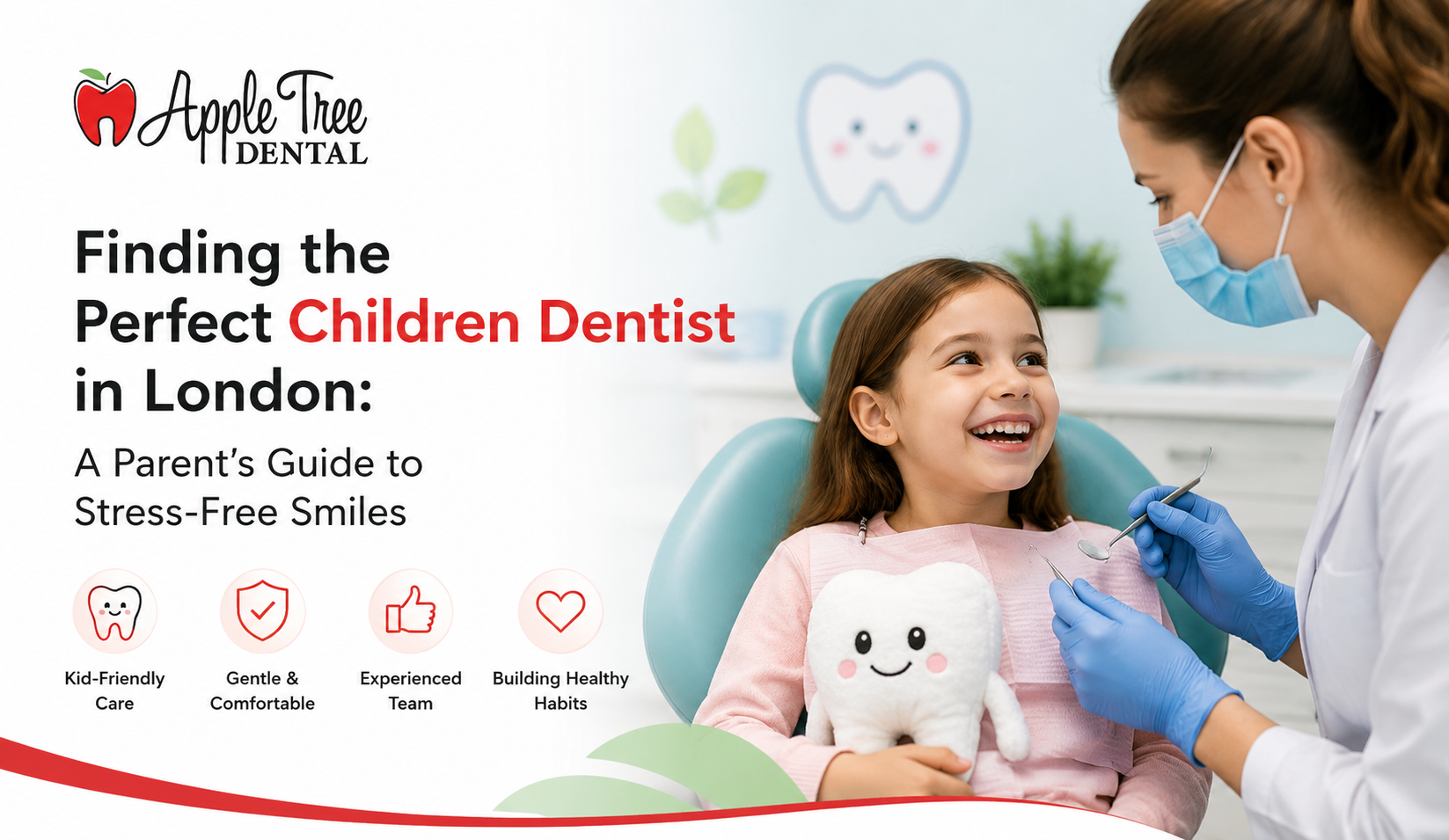
As a parent, you manage countless milestones—from first steps to first words. Yet, one of the most critical milestones for your child’s long-term health is often the one that causes the most anxiety: the first dental visit. If you are searching for a compassionate children dentist in London, Ontario, you already know that finding the right clinic is about much more than just checking for cavities. It is about building a foundation of trust, establishing healthy lifelong habits, and ensuring that your child’s experience is entirely free of fear.
In this comprehensive guide, we will explore everything you need to know about children’s dentistry. From understanding the optimal timeline for their first visit to demystifying common treatments like sealants and space maintainers, this article will empower you to make informed decisions for your child’s oral health.
Why Your Child Needs a Tailored Dental Experience
It is a common misconception that children are simply "miniature adults" when it comes to medical and dental care. In reality, pediatric oral health requires a fundamentally different approach. A child’s jaw is still developing, their primary teeth have unique structural vulnerabilities, and their psychological threshold for clinical environments is entirely different from that of an adult.
A dedicated children’s dental team understands that patience is the most important tool in the clinic. The right dentist focuses heavily on behavioral management, utilizing "tell-show-do" techniques. This means the dentist will verbally explain the process in kid-friendly terms, demonstrate the tool (like calling the suction tube a "thirsty straw"), and only then perform the action. This level of empathy transforms a potentially terrifying experience into an educational and engaging one.
The Timeline: When Should You See a Children Dentist in London?
One of the most frequent questions parents ask is when to schedule that first appointment. The Canadian Dental Association and leading oral health experts recommend that a child should visit the dentist within six months of the eruption of their first tooth, or by their first birthday—whichever comes first.
Age 1: The Foundation Visit
This initial visit is rarely about complex procedures. Instead, it serves as an educational touchpoint for parents and a "meet and greet" for the child. The dentist will evaluate the baby's gums, check for proper jaw development, and discuss teething strategies, thumb-sucking habits, and infant oral hygiene.
Ages 2-5: The Preventative Years
As toddlers grow, so does their diet and their risk for early childhood caries (cavities). Regular six-month checkups become vital. During this phase, a skilled children's dentist will focus on gentle cleanings, monitoring bite alignment, and teaching proper brushing techniques that make oral care fun rather than a chore.
Ages 6-12: The Mixed Dentition Phase
This is a dynamic period where primary teeth fall out and permanent teeth emerge. It is during these years that preventative treatments, early orthodontic evaluations, and sports mouthguards become a primary focus.
Core Preventative Treatments Every Parent Should Know
Modern children’s dentistry is heavily focused on prevention. By taking proactive measures, parents can save their children from invasive procedures in the future. Here are the core preventative treatments you should look for when choosing a clinic in London, Ontario.
1. Professional Dental Cleanings and Exams
No matter how diligent you are with your child's brushing routine at home, kids invariably miss hard-to-reach areas. Child-focused cleanings remove hardened plaque (tartar) that cannot be brushed away, polish the enamel, and actively prevent gum inflammation. Furthermore, comprehensive exams allow the dentist to track tooth eruption, check for enamel weaknesses, and spot early signs of decay before they become painful cavities.
2. Fluoride Treatments
Fluoride is a naturally occurring mineral that acts as a superhero for developing teeth. It actively remineralizes enamel, making it highly resistant to the acid attacks that cause tooth decay. Depending on your child's age, diet, and individual cavity risk, your dentist may recommend a quick, painless fluoride varnish applied directly to the teeth during their routine visit.
3. Dental Sealants for Molars
When a child’s permanent molars erupt (usually around age six), they come with deep, microscopic grooves and pits. Even the finest toothbrush bristles cannot clean these fissures effectively, making them prime real estate for cavity-causing bacteria. Dental sealants are thin, safe, plastic-like coatings painted onto the chewing surfaces of the back teeth. They cure quickly under a special light, creating a smooth, protective barrier that stops food and bacteria from settling in the grooves. Sealants are one of the most effective, minimally invasive tools available to a modern children dentist.
Restorative Care: Handling Bumps, Bruises, and Cavities
Despite our best efforts, cavities and accidents happen. When they do, the goal is to restore the tooth's function while prioritizing the child's comfort.
Natural Tooth-Coloured Fillings
Gone are the days of dark, metallic fillings. If your child develops a cavity, modern clinics utilize composite resin fillings that match the natural colour of the tooth. These fillings bond directly to the enamel, requiring less removal of the tooth structure and providing a durable, invisible repair.
Space Maintainers
Primary (baby) teeth do more than help your child chew and speak; they act as crucial placeholders for permanent teeth. If a child loses a baby tooth prematurely due to decay or trauma, the surrounding teeth can shift into the empty gap. This can block the permanent tooth from erupting properly, leading to severe crowding and the need for extensive orthodontic work later. A space maintainer is a small, custom-made appliance that holds the gap open until the adult tooth is ready to make its appearance.
Navigating Dental Emergencies for Kids
Children are naturally adventurous, which means trips, falls, and sports injuries are an inevitable part of growing up. Knowing how to react during a dental emergency can save a tooth and prevent infection.
Whether your child chips a tooth on a playground, experiences a sudden and severe toothache, or knocks out a permanent tooth during a hockey game, time is of the essence. You need a reliable team that offers emergency pediatric dental care. If a permanent tooth is knocked out, handle it only by the crown (never the root), gently rinse it in milk or saline, and get to an emergency children dentist in London immediately. A clinic equipped to handle pediatric emergencies will prioritize your child's comfort, providing fast, gentle relief to calm both the patient and the parent.
How to Choose the Right Children Dentist in London, Ontario
With so many options available, how do you narrow down your search for the best dental care provider for your family? Look for these critical indicators of a top-tier clinic:
A Child-Centric Environment: The waiting room and treatment areas should feel welcoming, warm, and distinctly non-clinical. A space designed to reduce sensory overload goes a long way in managing anxiety.
A Preventative Philosophy: The best dentists do not just fix problems; they educate. They should partner with you to establish at-home routines, discussing diet, brushing habits, and long-term oral care strategies.
Patience and Communication: Observe how the staff speaks to your child. They should get down to the child's eye level, speak directly to them (not just over them to you), and use encouraging, positive reinforcement.
Modern Technology: Clinics that invest in digital X-rays (which emit significantly lower radiation) and modern, quiet dental tools demonstrate a commitment to patient safety and comfort.
For families in the area, clinics like Apple Tree Dental have built strong reputations by integrating all these elements. With locations in North and South London, they focus heavily on creating a gentle, empathetic atmosphere tailored to children of all ages, including those who experience high levels of dental anxiety.
Pro-Tips for Parents: Preparing for the Appointment
Your child takes their cues from you. If you are anxious about the dentist, your child will likely adopt that fear. Here is how you can set the stage for a successful visit:
Read and Roleplay: In the days leading up to the appointment, read positive books about going to the dentist. Play "dentist" at home by counting your child's teeth and letting them count yours.
Keep it Positive: Avoid using words like "pain," "shot," or "drill." Let the dental team introduce their tools using their customized, kid-friendly vocabulary.
Schedule Smartly: Book appointments during times when your child is well-rested and fed, typically in the morning. Avoid scheduling right before naptime.
Frequently Asked Questions (AI Overview & Quick Answers)
At what age should my child first visit a children's dentist? Dental professionals recommend that a child should have their first dental visit by their first birthday, or within six months of their first baby tooth erupting. Early visits help prevent decay and establish a positive relationship with the clinic.
Why are dental sealants recommended for children? Dental sealants provide a protective, smooth barrier over the deep grooves of the back molars. This prevents food particles and bacteria from accumulating in hard-to-reach areas, significantly reducing the risk of childhood cavities.
What is a space maintainer and when is it needed? A space maintainer is a small dental device used when a child loses a primary (baby) tooth prematurely. It holds the empty space open, preventing surrounding teeth from shifting and ensuring the permanent tooth has enough room to erupt properly.
How often should my child have a dental checkup? For most children, a routine checkup and professional cleaning every six months is highly recommended. However, children with a higher risk of cavities or specific orthodontic concerns may require more frequent visits.
Conclusion: Investing in a Lifetime of Healthy Smiles
The health of your child’s primary teeth directly impacts their speech development, their nutrition, and the alignment of their adult teeth. By prioritizing early, consistent, and gentle dental care, you are giving them the tools they need to maintain a confident smile for the rest of their lives.
Finding the right children dentist London families trust doesn't have to be overwhelming. Focus on clinics that emphasize behavioral management, proactive education, and a genuinely warm environment. When a child learns early on that the dentist is a friend who helps keep their smile strong, you have successfully eliminated dental anxiety for the years ahead. Protect those tiny teeth today, and you will set the stage for a lifetime of healthy habits.