
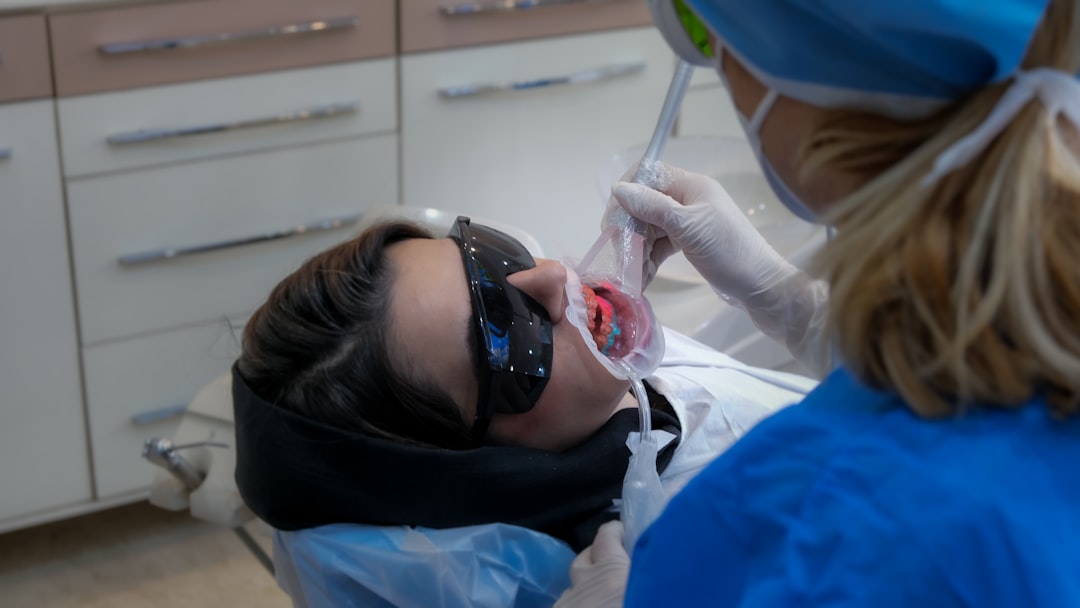
Finding the right children’s dentist London is one of the most important decisions parents make for their child’s long-term oral health. Kids need more than routine checkups—they need a dental home where they feel safe, supported, and understood. A place where anxiety is reduced, smiles are protected, and habits are shaped for life.
This guide covers everything parents need to know about pediatric dental care in London, from the first visit to advanced treatments, common concerns, and how to set children up for lifelong healthy habits.
Why Your Child Needs a Dedicated Children’s Dentist
A pediatric dentist is specially trained to care for infants, toddlers, children, and teens. Their education focuses on:
Oral development
Child psychology
Gentle communication
Preventive care
Early orthodontic evaluation
Children’s dentists create environments that calm anxiety, using kid-friendly techniques, engaging language, and positive reinforcement. This approach makes dental visits smoother and helps build trust between your child and their dentist.
When Should Your Child First Visit the Dentist?
According to major dental associations, children should visit a dentist:
By age 1, or
Within six months of the first tooth erupting
Early dental visits help:
Detect developmental issues
Prevent early childhood cavities
Build healthy routines
Reduce fear before it develops
Guide parents on feeding, brushing, and habits like thumb-sucking
What Happens During a Child’s Dental Checkup?
Children’s dental appointments are designed to be educational, gentle, and stress-free.
1. Oral Exam
The dentist checks the teeth, gums, bite, and jaw. This early assessment helps identify issues before they become larger concerns.
2. Cleaning
A gentle cleaning removes plaque, tartar, and stains. Dental hygienists use child-friendly explanations, which helps kids stay relaxed.
3. Fluoride Treatment (If Needed)
Fluoride strengthens enamel and reduces cavity risk—especially important for kids with sugary diets or weaker enamel.
4. X-Rays (Age Appropriate)
Digital X-rays help detect cavities between teeth and monitor jaw development.
5. Guidance for Parents
You’ll receive advice on brushing techniques, nutrition, cavity prevention, and growth patterns.
Common Dental Issues in Children
1. Cavities
Children are especially prone to cavities due to:
Sugary snacks and drinks
Inconsistent brushing
Deep grooves in molars
Bottles or sippy cups used too long
A children’s dentist helps prevent and treat decay early.
2. Tooth Sensitivity
Sensitivity can result from new teeth erupting, cavities, or enamel issues.
3. Dental Trauma
Falls, sports injuries, or playground accidents often lead to chipped or loosened teeth.
4. Early Orthodontic Concerns
Crowding, bite issues, and misalignment can sometimes be spotted as early as age 6–7.
5. Gum Irritation
Poor brushing, plaque buildup, or mouth breathing can cause gum swelling or bleeding.
Preventive Dental Treatments for Kids
Prevention is the foundation of children’s dentistry. Common services include:
Dental Sealants
A thin protective layer applied to molars to prevent cavities.
Fluoride Varnish
Strengthens enamel and reduces tooth decay.
Early Orthodontic Evaluation
Identifies bite problems before they become complex.
Habit Counseling
Guidance for thumb-sucking, nail-biting, or grinding.
Nutritional Education
Helps parents reduce cavity risk through healthier food choices.
The Importance of a Calm, Child-Friendly Clinic
A good children’s dentist in London understands that dental anxiety is real—especially for kids. The best clinics:
Use comforting, positive language
Allow parents to accompany children
Offer gentle sedation when appropriate
Create a warm, playful environment
Explain every step using kid-friendly terms
A relaxed environment builds confidence and reduces fear of future appointments.
At-Home Tips to Protect Your Child’s Teeth
Parents play a big role in maintaining oral health. Here’s how to support your child at home:
1. Brush Twice a Day
Use a soft-bristle brush and pea-sized fluoride toothpaste (For under age 3, use a rice-grain size).
2. Floss Once Daily
Flossing prevents cavities between teeth—one of the most common places kids get decay.
3. Limit Sugary Snacks
Focus on water, fruits, vegetables, and cheese.
4. Avoid Bedtime Bottles
Especially with milk or juice, which increases cavity risk.
5. Use Mouthguards for Sports
Protect teeth from injuries during high-impact activities.
How to Choose the Best Children’s Dentist in London
When evaluating a clinic, consider:
Experience in pediatric dentistry
Child-friendly communication style
A comfortable environment for kids
Positive reviews from parents
Modern technology and updated practices
Emergency availability for dental injuries
Convenient location and scheduling
Your child should feel safe, respected, and encouraged every time they visit.
FAQs About Children’s Dentistry in London
1. How often should children visit the dentist?
Every six months, unless the dentist recommends more frequent visits due to cavity risk.
2. Are baby teeth really that important?
Yes. Baby teeth guide jaw development, support speech, and hold space for permanent teeth.
3. What age should my child start brushing alone?
Children can brush independently around age 6–7, but adult supervision is recommended until they master proper technique.
4. Are dental X-rays safe for children?
Yes. Pediatric dentists use low-radiation digital X-rays only when necessary.
5. What happens if my child has dental anxiety?
Children’s dentists use gentle approaches, desensitization techniques, and—if needed—mild sedation to keep kids calm and comfortable.
6. How can I reduce my child’s risk of cavities?
Encourage twice-daily brushing, limit sugary foods, schedule regular checkups, and consider fluoride varnish or sealants.